Trump’s Trade Wars Hit Jim Beam Bourbon
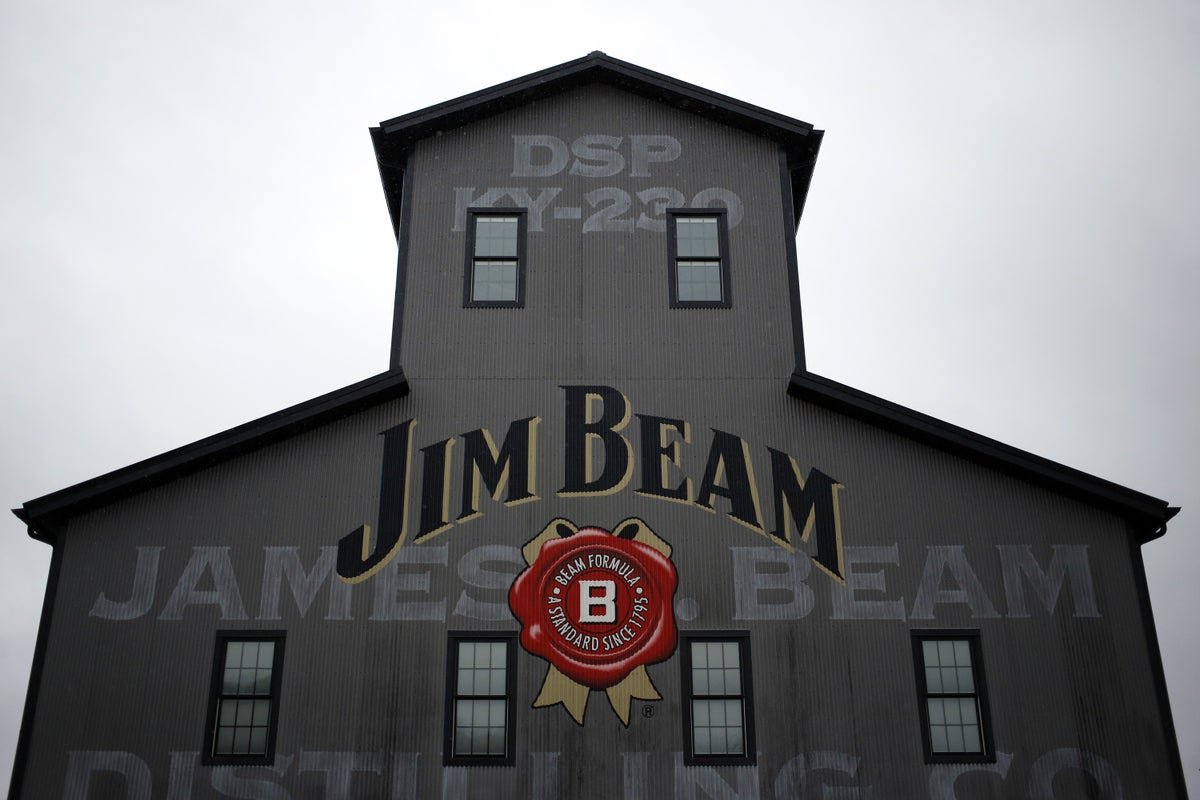
Trump’s Trade Wars: Jim Beam Shuts Down Bourbon Production
Jim Beam, a renowned bourbon whiskey producer, has announced the temporary shutdown of its Kentucky distillery. This decision comes as a result of the trade wars initiated by former US President Donald Trump, which have significantly impacted the company’s sales. The shutdown is expected to last for a year, affecting the production of bourbon.
The trade wars have led to increased tariffs on US whiskey exports, making it more challenging for Jim Beam to compete in the global market. The company has been analysing the situation and has decided to take this step to mitigate the effects of the trade wars on its business. The shutdown will allow Jim Beam to reassess its production strategy and explore new opportunities.
The impact of the trade wars on the US whiskey industry has been substantial, with many companies struggling to maintain their sales. The increased tariffs have made it difficult for US whiskey producers to export their products, leading to a decline in sales. Jim Beam’s decision to shut down its distillery is a testament to the severe effects of the trade wars on the industry.
The UK market has also been affected by the trade wars, with many whiskey enthusiasts feeling the pinch. The increased tariffs have led to higher prices for US whiskey, making it less competitive in the market. The situation has been exacerbated by the COVID-19 pandemic, which has disrupted global supply chains and affected the demand for whiskey.
Jim Beam’s decision to shut down its distillery has raised concerns about the future of the US whiskey industry. The company’s decision may be a sign of things to come, with other whiskey producers potentially following suit. The trade wars have created a challenging environment for US whiskey producers, and it remains to be seen how the industry will respond to these challenges.
The US whiskey industry is not the only sector affected by the trade wars. Many other industries, including the automotive and agricultural sectors, have also been impacted. The trade wars have led to a decline in international trade, affecting many businesses and industries worldwide. The situation highlights the need for governments to work together to resolve trade disputes and promote free trade.
In conclusion, Jim Beam’s decision to shut down its Kentucky distillery is a significant development in the US whiskey industry. The trade wars have created a challenging environment for whiskey producers, and it remains to be seen how the industry will respond to these challenges. As the situation continues to unfold, it will be interesting to see how Jim Beam and other whiskey producers adapt to the changing market conditions.
The trade wars have also highlighted the importance of diversification in business. Companies that have diversified their products and services have been better equipped to handle the challenges posed by the trade wars. Jim Beam’s decision to shut down its distillery may be a sign that the company is looking to diversify its operations and reduce its reliance on US whiskey exports.
The UK government has been working to mitigate the effects of the trade wars on British businesses. The government has been negotiating new trade agreements with other countries, aiming to reduce tariffs and promote free trade. The situation highlights the need for governments to work together to resolve trade disputes and promote international trade.
In the meantime, whiskey enthusiasts in the UK can expect to see higher prices for US whiskey. The increased tariffs have made it more expensive for US whiskey producers to export their products, leading to higher prices for consumers. The situation may lead to an increase in demand for UK-produced whiskey, as consumers look for alternative options.
The trade wars have also led to an increase in the demand for craft whiskey. Many craft whiskey producers have been able to capitalize on the situation, offering unique and innovative products to consumers. The craft whiskey sector has been growing rapidly in recent years, and the trade wars may accelerate this trend.
As the situation continues to unfold, it will be interesting to see how the US whiskey industry responds to the challenges posed by the trade wars. Jim Beam’s decision to shut down its distillery is a significant development, and it remains to be seen how other whiskey producers will adapt to the changing market conditions. One thing is certain, however: the trade wars have created a challenging environment for US whiskey producers, and it will be important for companies to be agile and responsive to changing market conditions.
The future of the US whiskey industry is uncertain, but one thing is clear: the trade wars have created a significant challenge for whiskey producers. As the situation continues to evolve, it will be important for companies to stay informed and adapt to changing market conditions. The UK market will be watching with interest, as the trade wars continue to impact the global whiskey industry.