Trump Cuts Italian Pasta Tariffs
Trump’s Tariff Cuts: A Boost for Italian Pasta Exports
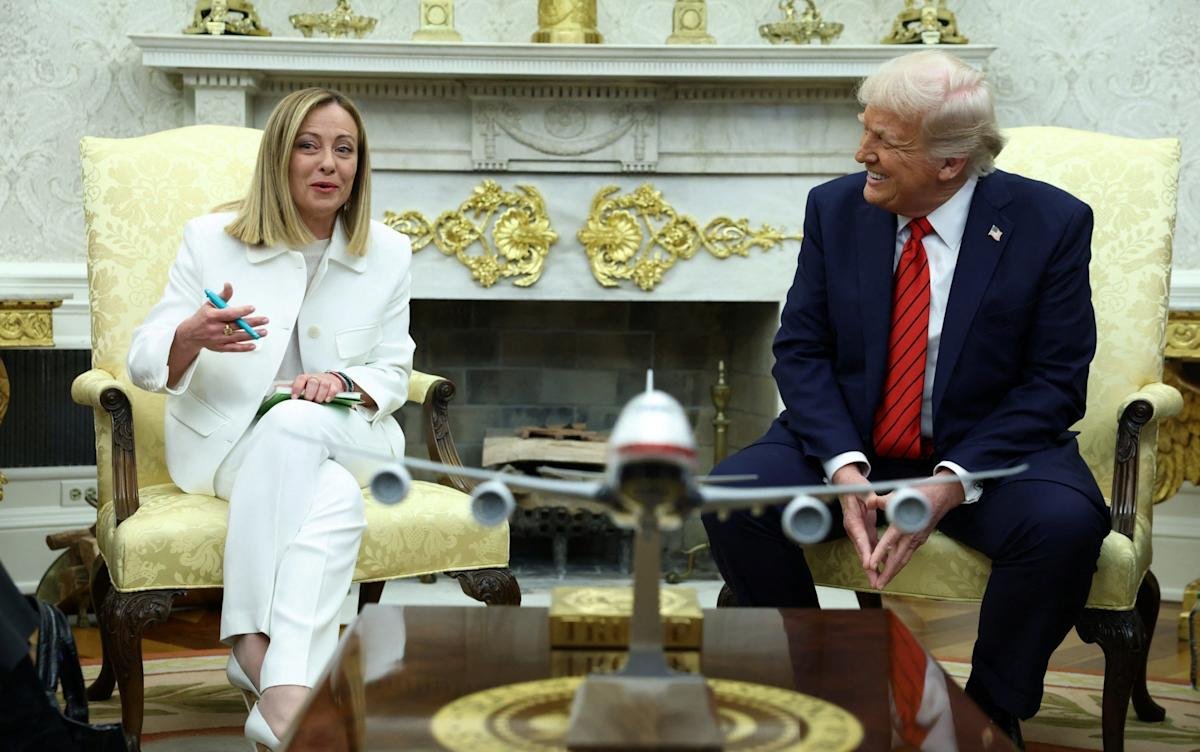
The recent decision by the US to slash tariffs on Italian pasta has been hailed as a significant victory for the Italian government, led by Prime Minister Giorgia Meloni. This move is expected to bolster the Italian economy and strengthen trade relations between the two nations.
The tariffs, which were imposed during a period of heightened trade tensions, had been a major point of contention between the US and Italy. The reduction in tariffs is likely to increase demand for Italian pasta in the US, thereby benefiting Italian exporters.
The Italian government has welcomed the decision, citing the potential benefits for the country’s agricultural sector. The move is also expected to have a positive impact on the UK, as Italian pasta is a popular import in the British market.
As the UK navigates its own post-Brexit trade landscape, the reduction in US tariffs on Italian pasta may have implications for British trade policy. Experts will be watching closely to see how this development affects the UK’s trade relationships with both the US and Italy.
In terms of economic impact, the tariff cuts are expected to increase Italian pasta exports to the US, potentially leading to job creation and economic growth in the sector. However, some have raised concerns about the potential impact on domestic pasta producers in the US.
Despite these concerns, the move is seen as a positive step towards improving trade relations between the US and Italy. As global trade continues to evolve, it will be interesting to see how this decision affects the broader trade landscape.
From a UK perspective, the development highlights the complex and interconnected nature of global trade. As the UK seeks to establish new trade agreements and strengthen existing ones, it must consider the potential implications of such moves on its own economy and trade relationships.
The reduction in tariffs on Italian pasta also underscores the importance of trade agreements and diplomacy in shaping economic outcomes. As nations navigate the complexities of global trade, it is clear that cooperation and negotiation will be essential in achieving mutually beneficial outcomes.
Ultimately, the decision to slash tariffs on Italian pasta is a significant development in the world of global trade. As the UK and other nations watch with interest, it remains to be seen how this move will affect the broader trade landscape and the economies of nations involved.
The Italian government’s victory on this issue is a testament to the power of diplomacy and negotiation in achieving economic goals. As the UK and other nations seek to navigate the complexities of global trade, they would do well to take note of this example.
In conclusion, the reduction in US tariffs on Italian pasta is a significant development with implications for global trade and the economies of nations involved. As the UK and other nations move forward in their own trade negotiations, they must consider the potential implications of such moves on their own economies and trade relationships.
The move is also likely to have a positive impact on the UK’s food industry, as Italian pasta is a staple in many British households. With the reduction in tariffs, UK consumers can expect to see a potential decrease in prices and an increase in the variety of Italian pasta products available.
Furthermore, the decision highlights the importance of international cooperation and diplomacy in achieving mutually beneficial trade agreements. As the UK seeks to establish new trade relationships and strengthen existing ones, it must prioritize cooperation and negotiation to achieve the best possible outcomes.
In the world of global trade, diplomacy and negotiation are essential tools for achieving economic goals. The Italian government’s success in securing the reduction in US tariffs on Italian pasta is a testament to the power of these tools.
As the UK navigates its own trade landscape, it would do well to take note of this example and prioritize diplomacy and cooperation in its own trade negotiations. By doing so, the UK can work towards achieving mutually beneficial trade agreements that benefit its economy and trade relationships.