
Oil Prices Plummet: Annual Fall
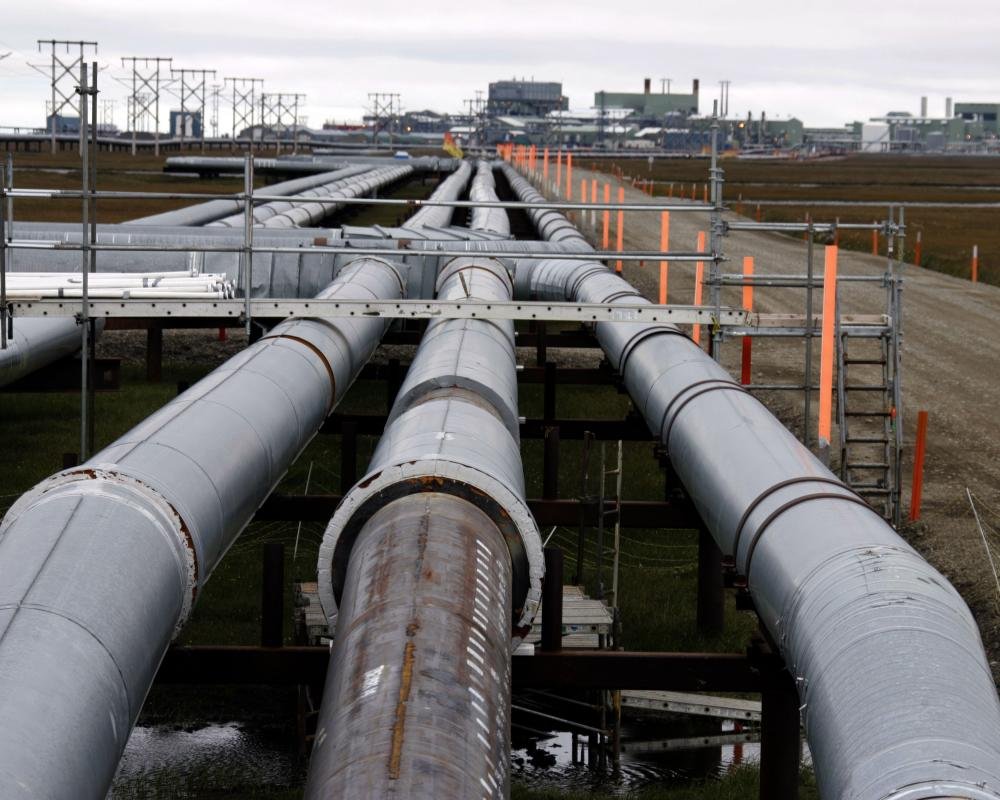
Oil Prices Record Steepest Annual Fall Since Covid Pandemic
Oil prices have seen a significant decline, with the steepest annual fall recorded since the Covid pandemic. This downturn has been attributed to various factors, including reduced demand and increased production. The oil market has been experiencing a period of high volatility, with prices fluctuating rapidly. As a result, investors and consumers are closely monitoring the situation.
The fall in oil prices has had a ripple effect on the global economy, with many industries being impacted. The transportation sector, in particular, has seen a significant reduction in costs, which could lead to lower prices for consumers. However, the decline in oil prices has also raised concerns about the potential impact on the environment. With the cost of oil decreasing, there may be a decrease in investment in renewable energy sources.
The Covid pandemic has had a lasting impact on the oil market, with many countries implementing lockdowns and restrictions on travel. This led to a significant reduction in demand for oil, which in turn led to a decline in prices. As the world slowly recovers from the pandemic, the oil market is expected to stabilize, but the current trend of declining prices is likely to continue. The oil industry is also experiencing a shift towards more sustainable and environmentally friendly practices.
The UK has been particularly affected by the decline in oil prices, with many oil and gas companies operating in the North Sea. The industry has seen a significant reduction in investment, which has led to job losses and economic uncertainty. However, the UK government has implemented policies to support the industry, including tax breaks and investment in renewable energy. The UK is also a key player in the global oil market, with many major oil companies having operations in the country.
The oil price decline has also had an impact on the UK’s economy, with the value of the pound being affected. A lower oil price can lead to a decrease in the value of the pound, making imports more expensive. However, the UK’s economy is also driven by other factors, including consumer spending and business investment. The Bank of England has been monitoring the situation closely, with interest rates being adjusted to stabilize the economy.
The future of the oil market is uncertain, with many factors at play. The rise of electric vehicles and renewable energy sources is expected to continue, which could lead to a further decline in demand for oil. However, the oil industry is also investing in new technologies, including carbon capture and storage. The UK is also investing in new energy sources, including wind and solar power.
The decline in oil prices has also had an impact on the UK’s trade balance, with imports becoming more expensive. However, the UK’s exports have also been affected, with many companies relying on oil exports. The UK government has been working to diversify the country’s economy, with a focus on services and manufacturing. The UK is also a key player in the global financial sector, with many major banks and financial institutions having operations in the country.
In conclusion, the decline in oil prices has had a significant impact on the global economy, with the UK being particularly affected. The oil industry is expected to continue to evolve, with a shift towards more sustainable and environmentally friendly practices. As the world recovers from the Covid pandemic, the oil market is likely to stabilize, but the current trend of declining prices is likely to continue. The UK government and companies must adapt to these changes, investing in new technologies and diversifying the economy.
The oil price decline has also raised questions about the future of the industry, with many companies struggling to remain profitable. The UK government has been working to support the industry, but more needs to be done to ensure the long-term sustainability of the sector. The decline in oil prices has also had an impact on the UK’s energy security, with the country relying on imports to meet demand. The UK government must prioritize energy security, investing in new energy sources and reducing reliance on imports.
The UK’s oil and gas industry has a long history, with many major companies operating in the North Sea. The industry has seen significant growth over the years, with the UK becoming a major player in the global oil market. However, the decline in oil prices has raised concerns about the future of the industry, with many jobs at risk. The UK government must work to support the industry, investing in new technologies and providing support for companies affected by the decline in oil prices.
The decline in oil prices has also had an impact on the UK’s fiscal policy, with the government facing a significant reduction in revenue. The government has been working to reduce the deficit, but the decline in oil prices has made this more challenging. The UK government must prioritize fiscal responsibility, investing in key sectors and reducing waste. The decline in oil prices has also raised questions about the future of the UK’s economy, with many industries being affected.
In the long term, the decline in oil prices is likely to have a significant impact on the UK’s economy, with many industries being affected. The UK government must work to support the industry, investing in new technologies and providing support for companies affected by the decline in oil prices. The UK’s oil and gas industry has a long history, but the decline in oil prices has raised concerns about the future of the sector. The UK government must prioritize energy security, investing in new energy sources and reducing reliance on imports.