
Copper Squeeze to Worsen on AI Demand
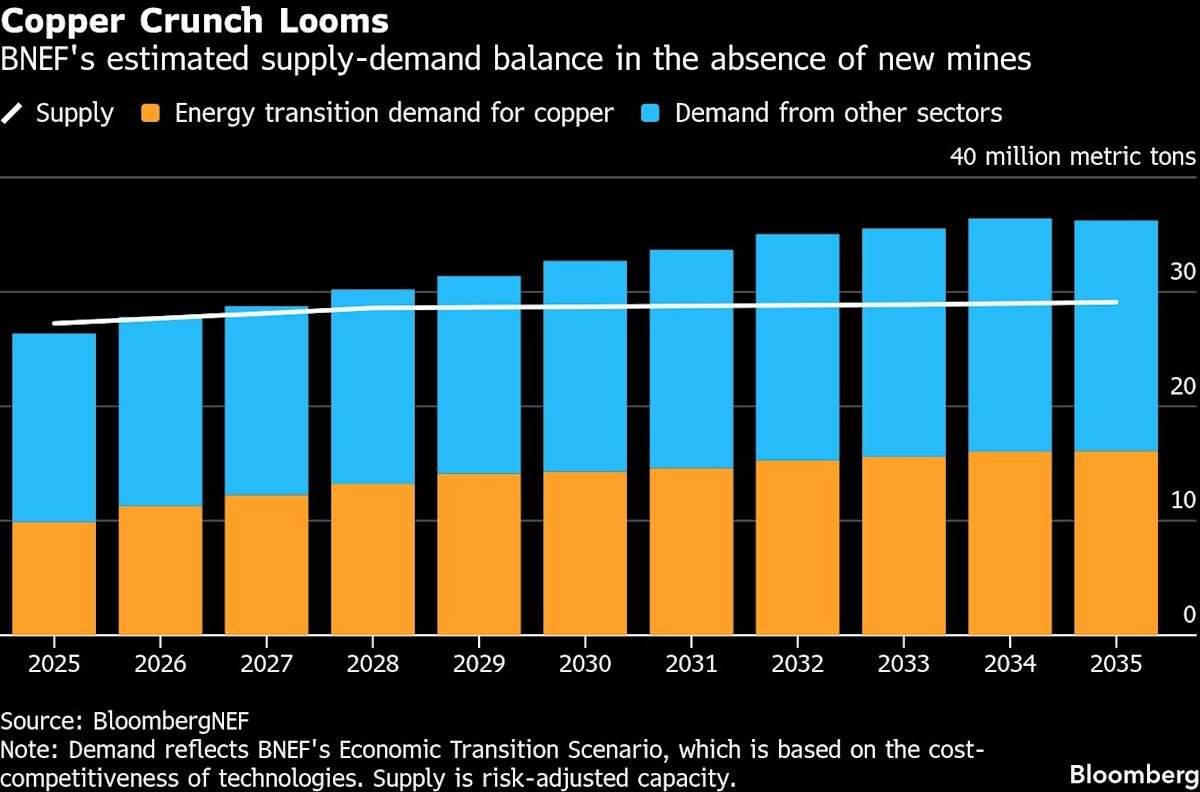
Copper Shortage to Intensify Amid AI and Defence Spending
The world’s copper supply is under pressure due to increasing demand from AI and defence sectors. S&P Global reports that this trend is set to continue, driving up costs. Copper is a crucial component in various technologies. The UK is also feeling the pinch.
Copper prices have been rising steadily over the past year, with the metal reaching record highs. This is largely due to the growing demand for electric vehicles and renewable energy systems. The defence sector is also driving up demand, with copper used in various military equipment.
The copper squeeze is having a significant impact on businesses in the UK, with many struggling to keep up with the rising costs. Companies are being forced to pass on the increased costs to consumers, which could lead to higher prices for goods and services. The UK government is under pressure to find a solution to the copper shortage.
The copper shortage is a complex issue, with many factors contributing to the problem. The COVID-19 pandemic has disrupted supply chains, while the growing demand for copper has put pressure on producers. The UK is not alone in feeling the effects of the copper squeeze, with many countries around the world struggling to cope with the shortage.
Experts predict that the copper shortage will continue for the foreseeable future, with demand set to outstrip supply. This could have significant implications for businesses and consumers in the UK, with higher prices and reduced availability of copper-based products. The UK government and industry leaders are working together to find a solution to the copper shortage.
The copper squeeze is also having an impact on the environment, with the increased demand for copper leading to deforestation and pollution. The UK is committed to reducing its carbon footprint, and the copper shortage is a major obstacle in achieving this goal. Companies are being encouraged to adopt sustainable practices and reduce their reliance on copper.
The UK is exploring alternative sources of copper, including recycling and reuse. This could help to reduce the demand for new copper and alleviate the pressure on suppliers. However, more needs to be done to address the copper shortage and ensure a stable supply of this critical metal.
In conclusion, the copper squeeze is a major issue affecting businesses and consumers in the UK. The growing demand for copper from AI and defence sectors is driving up costs and putting pressure on suppliers. The UK government and industry leaders must work together to find a solution to the copper shortage and ensure a stable supply of this critical metal.