
Aldi & Lidl Smash Christmas Sales Records
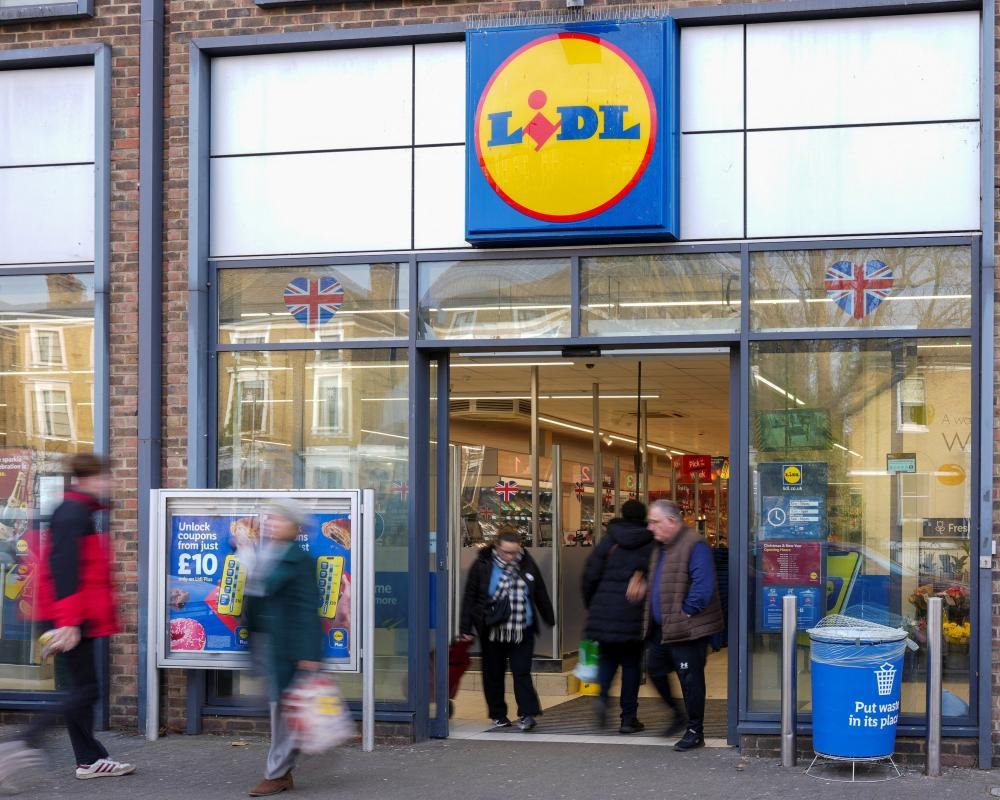
Aldi and Lidl’s Record-Breaking Christmas Sales
Aldi and Lidl have achieved a record Christmas sales share in the UK, outperforming major supermarkets like Asda and Co-op. This shift in consumer behaviour is largely due to their affordable prices and efficient supply chains. The two discount retailers have been gaining popularity in recent years, with their sales figures reflecting this trend.
The UK’s grocery market has become increasingly competitive, with supermarkets struggling to keep up with the likes of Aldi and Lidl. Asda and Co-op, in particular, have seen their sales slide, as consumers opt for cheaper alternatives. This change in consumer behaviour has significant implications for the UK’s retail sector, with many supermarkets being forced to re-evaluate their pricing strategies.
Despite the challenges facing the UK’s retail sector, Aldi and Lidl remain optimistic about their future prospects. Both retailers have invested heavily in their supply chains, allowing them to keep prices low and respond quickly to changes in consumer demand. This ability to adapt has been key to their success, with many consumers praising their efficient and cost-effective approach to retail.
The record-breaking sales achieved by Aldi and Lidl are a testament to their growing popularity in the UK. As the grocery market continues to evolve, it will be interesting to see how the major supermarkets respond to the challenge posed by these discount retailers. With their focus on affordable prices and efficient supply chains, Aldi and Lidl are well-placed to continue their success in the UK’s competitive grocery market.
The UK’s grocery market is a highly competitive sector, with many retailers vying for consumer attention. However, Aldi and Lidl’s commitment to keeping prices low has resonated with many consumers, who are looking for ways to save money on their weekly shop. This focus on affordability has been key to their success, with many consumers opting for their discount prices over the more expensive options available at major supermarkets.
As the UK’s retail sector continues to evolve, it will be interesting to see how Aldi and Lidl continue to grow and develop. With their focus on efficient supply chains and affordable prices, they are well-placed to remain a major force in the UK’s grocery market. The challenge for the major supermarkets will be to respond to this threat, by adapting their own pricing strategies and improving their supply chains.
The impact of Aldi and Lidl’s success on the UK’s retail sector cannot be overstated. Many supermarkets are being forced to re-evaluate their pricing strategies, in order to remain competitive. This shift in consumer behaviour has significant implications for the UK’s economy, with many retailers looking for ways to cut costs and improve efficiency.
As the UK’s grocery market continues to change, it will be interesting to see how the major supermarkets respond to the challenge posed by Aldi and Lidl. With their focus on affordable prices and efficient supply chains, these discount retailers are well-placed to continue their success in the UK’s competitive grocery market. The key to their success has been their ability to adapt to changing consumer behaviour, and to respond quickly to shifts in the market.
The UK’s retail sector is a complex and highly competitive market, with many retailers vying for consumer attention. However, Aldi and Lidl’s commitment to keeping prices low has resonated with many consumers, who are looking for ways to save money on their weekly shop. This focus on affordability has been key to their success, with many consumers opting for their discount prices over the more expensive options available at major supermarkets.
In conclusion, Aldi and Lidl’s record-breaking Christmas sales share is a testament to their growing popularity in the UK. With their focus on efficient supply chains and affordable prices, they are well-placed to continue their success in the UK’s competitive grocery market. The challenge for the major supermarkets will be to respond to this threat, by adapting their own pricing strategies and improving their supply chains.