
UK Food Labelling Rules
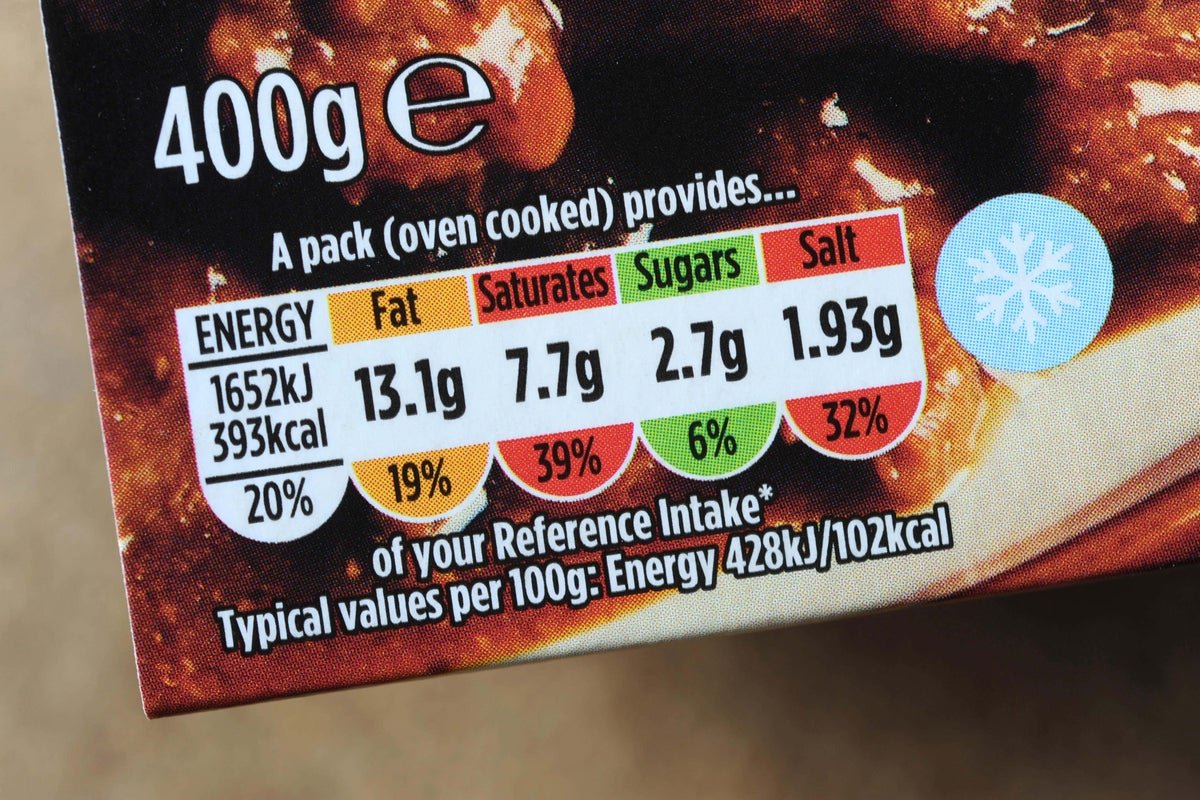
Nutrition Labels on Food Packaging
The UK government is being urged to make nutrition labels on the front of food packaging mandatory. This move aims to tackle the growing issue of obesity and promote healthier eating habits among consumers. By providing clear and concise information, consumers can make informed decisions about their diet. This, in turn, can help reduce the risk of chronic diseases.
Currently, many food manufacturers voluntarily display nutritional information on the back of packaging. However, this can be confusing and difficult to analyse for some consumers. A mandatory front-of-pack label would make it easier for people to understand the nutritional content of their food. This could lead to a significant shift in consumer behaviour and a reduction in the consumption of unhealthy foods.
The proposed labelling system would display a colour-coded rating, indicating the levels of fat, salt, and sugar in each product. This colour-coded system has been shown to be effective in other countries, such as Australia and New Zealand. It is hoped that the introduction of this system in the UK will have a similar impact and lead to a reduction in the incidence of diet-related health problems.
Some food manufacturers have already begun to display front-of-pack labels on their products. However, these labels are not always consistent, and some have been accused of being misleading. A mandatory labelling system would ensure that all food manufacturers are held to the same standards, providing consumers with accurate and reliable information about the food they buy.
The UK food industry is a significant sector, with many companies operating in this space. These companies will need to adapt to any changes in labelling regulations. This could involve significant investment in new packaging and labelling systems. However, it is hoped that the long-term benefits to public health will outweigh the short-term costs to the industry.
In conclusion, the introduction of mandatory nutrition labels on the front of food packaging is a positive step towards promoting healthier eating habits in the UK. By providing clear and concise information, consumers can make informed decisions about their diet and reduce the risk of chronic diseases. It is now up to the government to take action and make this proposal a reality.
The impact of this proposal on the UK food industry will be significant. It will require companies to be more transparent about the nutritional content of their products. This could lead to a shift in consumer behaviour, with people choosing to buy healthier products. The long-term effects of this proposal will be closely monitored by the food industry and health experts alike.
The colour-coded labelling system has been shown to be effective in other countries. It is hoped that it will have a similar impact in the UK. The system will provide consumers with a quick and easy way to understand the nutritional content of their food. This will enable them to make informed decisions about their diet and reduce the risk of chronic diseases.
In addition to the colour-coded labelling system, the proposal also includes plans to restrict the advertising of unhealthy foods to children. This move aims to reduce the exposure of children to unhealthy food options and promote healthier eating habits from a young age. By restricting the advertising of unhealthy foods, the government hopes to reduce the incidence of childhood obesity and related health problems.
The proposal has been welcomed by health experts and consumer groups. They believe that the introduction of mandatory nutrition labels will be a significant step forward in promoting public health. The proposal has also been supported by some food manufacturers, who see the benefits of providing clear and concise information to consumers.
However, not all food manufacturers are in favour of the proposal. Some have expressed concerns about the cost of implementing the new labelling system. They believe that the costs will be passed on to consumers, leading to higher food prices. However, supporters of the proposal argue that the long-term benefits to public health will outweigh the short-term costs to the industry.
In order to implement the proposal, the government will need to work closely with the food industry. This will involve providing guidance and support to companies as they adapt to the new labelling regulations. The government will also need to ensure that the labelling system is consistent and easy to understand for consumers.
The introduction of mandatory nutrition labels is a complex issue, and there are many factors to consider. However, the potential benefits to public health are significant, and it is hoped that the proposal will become a reality in the near future. The government is urged to take action and make the proposal a priority.
The UK government has a responsibility to protect the health and wellbeing of its citizens. The introduction of mandatory nutrition labels is a step in the right direction. It is now up to the government to take action and make this proposal a reality. The benefits to public health will be significant, and it is hoped that the proposal will become a reality in the near future.
The proposal is not without its challenges, however. The food industry is a significant sector, and any changes to labelling regulations will need to be carefully considered. The government will need to work closely with companies to ensure that the new labelling system is implemented smoothly and with minimal disruption to the industry.
In conclusion, the introduction of mandatory nutrition labels on the front of food packaging is a positive step towards promoting healthier eating habits in the UK. The proposal has the potential to significantly reduce the incidence of diet-related health problems and promote public health. It is now up to the government to take action and make this proposal a reality.