Gold in Iran: A Symbol of Protest
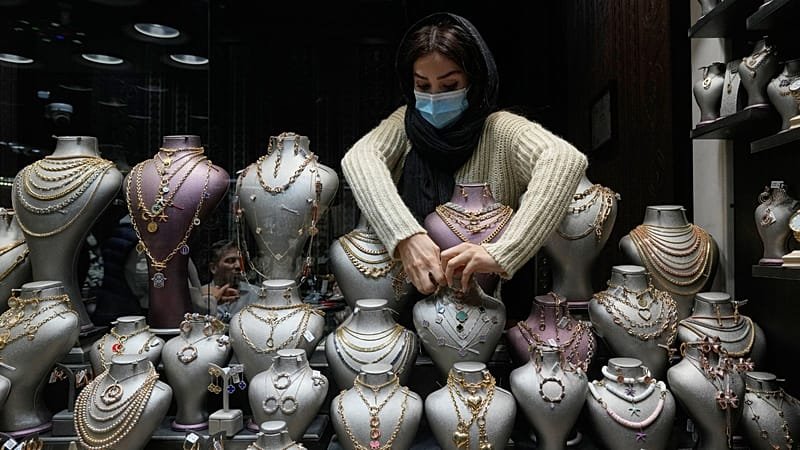
Gold in Iran: From Safe Haven to Political Protest
Gold has long been a safe haven for investors in Iran, but it has also become a symbol of political protest. The value of gold has been increasing in recent years, making it a lucrative investment opportunity. However, the political climate in Iran has made it challenging for investors to navigate. The government has been cracking down on dissent, and gold has become a way for people to express their discontent.
The gold market in Iran is complex, with many factors influencing its value. The country’s economy has been struggling, and the value of the rial has been declining. This has made gold an attractive option for investors looking to protect their wealth. However, the government has been trying to control the gold market, imposing restrictions on the sale and purchase of gold.
Despite these challenges, the demand for gold in Iran remains high. Many people see gold as a way to hedge against inflation and currency fluctuations. The government’s attempts to control the gold market have only added to its allure, with many people viewing it as a way to rebel against the authorities. The gold market in Iran is a complex and fascinating topic, with many different factors at play.
One of the main reasons why gold has become a symbol of protest in Iran is its ability to be used as a form of currency. In a country where the value of the rial is constantly fluctuating, gold provides a sense of stability and security. It is also a way for people to store their wealth, without having to rely on the government or financial institutions. This has made gold a popular choice for those looking to invest in a safe and secure asset.
The Iranian government has been trying to crack down on the gold market, but it has been difficult to control. The black market for gold is thriving, with many people buying and selling gold illegally. This has led to a shortage of gold in the official market, driving up prices and making it even more attractive to investors. The government’s attempts to control the gold market have only added to its popularity, with many people viewing it as a way to challenge the authorities.
In addition to its use as a form of currency, gold has also become a symbol of wealth and status in Iran. Many people view gold as a way to showcase their wealth and success, with gold jewellery and coins being highly prized. This has led to a thriving market for gold, with many people buying and selling gold for both investment and personal use. The cultural significance of gold in Iran is complex and multifaceted, reflecting the country’s rich history and traditions.
The gold market in Iran is also influenced by global factors, such as changes in the price of oil and the value of the US dollar. The country’s economy is heavily reliant on oil exports, and fluctuations in the price of oil can have a significant impact on the value of the rial. This has made gold an attractive option for investors looking to hedge against currency fluctuations and inflation. The global demand for gold is also driven by its use in jewellery and technology, with many countries relying on gold as a key component in the manufacture of electronics.
In conclusion, the gold market in Iran is a complex and fascinating topic, with many different factors at play. The value of gold has been increasing in recent years, making it a lucrative investment opportunity. However, the political climate in Iran has made it challenging for investors to navigate, with the government cracking down on dissent and imposing restrictions on the sale and purchase of gold. Despite these challenges, the demand for gold in Iran remains high, driven by its use as a form of currency, a symbol of wealth and status, and a way to hedge against inflation and currency fluctuations.