
China’s Grip on Brunei’s Oil Trade
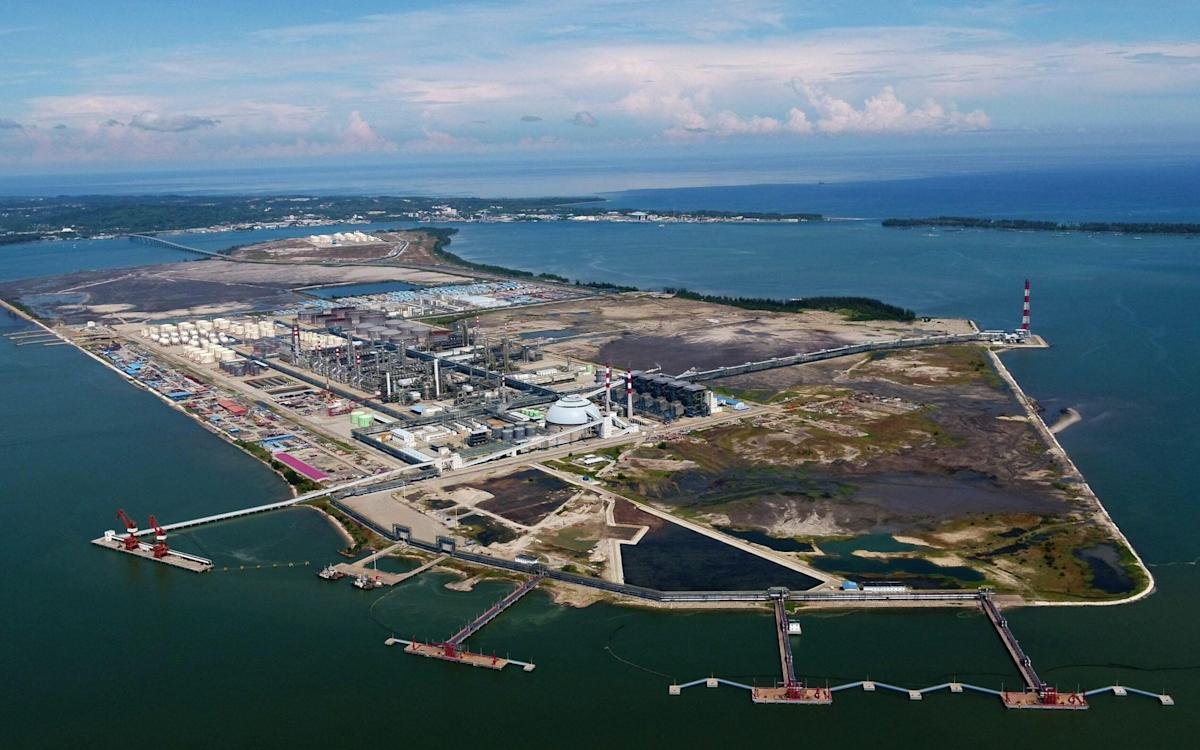
China Tightens Grip on Brunei’s Oil Trade
China’s oil trade with Brunei has gained significant momentum following a setback in Venezuela. The country’s state-owned oil companies have increased their investments in Brunei’s oil sector. This move is expected to boost China’s energy security and reduce its dependence on other oil-producing nations.
Brunei, a small oil-rich nation in Southeast Asia, has become an attractive destination for Chinese oil companies. The country’s oil reserves are estimated to be around 1.1 billion barrels, making it an ideal location for China to secure its energy needs. Chinese companies have been actively involved in oil exploration and production in Brunei.
The recent setback in Venezuela has prompted China to diversify its oil imports and reduce its reliance on the South American nation. Venezuela’s oil production has been declining due to economic sanctions and infrastructure issues. China has been one of the largest importers of Venezuelan oil, but the country’s economic crisis has affected oil exports.
China’s increased investment in Brunei’s oil sector is expected to have a positive impact on the local economy. The influx of foreign investment will create new job opportunities and stimulate economic growth. Brunei’s government has welcomed Chinese investment, citing the need to diversify the country’s economy and reduce its dependence on oil exports.
The partnership between China and Brunei is also expected to enhance regional energy cooperation. The two countries have agreed to collaborate on oil and gas projects, including exploration, production, and refining. This cooperation will not only benefit China and Brunei but also contribute to regional energy security.
However, the growing presence of Chinese oil companies in Brunei has raised concerns among local stakeholders. There are worries about the environmental impact of increased oil exploration and production. The Brunei government has assured that it will implement strict environmental regulations to mitigate the effects of oil production.
China’s grip on Brunei’s oil trade is a significant development in the regional energy landscape. As China continues to expand its oil imports, it is likely to have a profound impact on the global energy market. The partnership between China and Brunei is a testament to the growing importance of energy cooperation in the region.
The future of China’s oil trade with Brunei looks promising, with both countries committed to strengthening their energy partnership. As the global energy landscape continues to evolve, it is likely that China’s investment in Brunei’s oil sector will play a crucial role in shaping the region’s energy future.
China’s state-owned oil companies, such as China National Petroleum Corporation (CNPC) and China Petroleum & Chemical Corporation (Sinopec), have been instrumental in driving the country’s oil trade with Brunei. These companies have invested heavily in oil exploration and production in Brunei, cementing China’s position as a major player in the regional energy market.
The economic benefits of China’s investment in Brunei’s oil sector are clear. The influx of foreign investment will stimulate economic growth, create new job opportunities, and contribute to the development of the local economy. As China continues to expand its oil imports, it is likely that the country’s investment in Brunei’s oil sector will have a lasting impact on the regional energy landscape.
In conclusion, China’s grip on Brunei’s oil trade is a significant development in the regional energy market. The partnership between China and Brunei is expected to enhance energy cooperation, stimulate economic growth, and contribute to regional energy security. As the global energy landscape continues to evolve, it is likely that China’s investment in Brunei’s oil sector will play a crucial role in shaping the region’s energy future.