Virgin Planes Follow Geese to Save Fuel
Flying in Formation: Virgin Planes Mimic Geese to Reduce Fuel Consumption
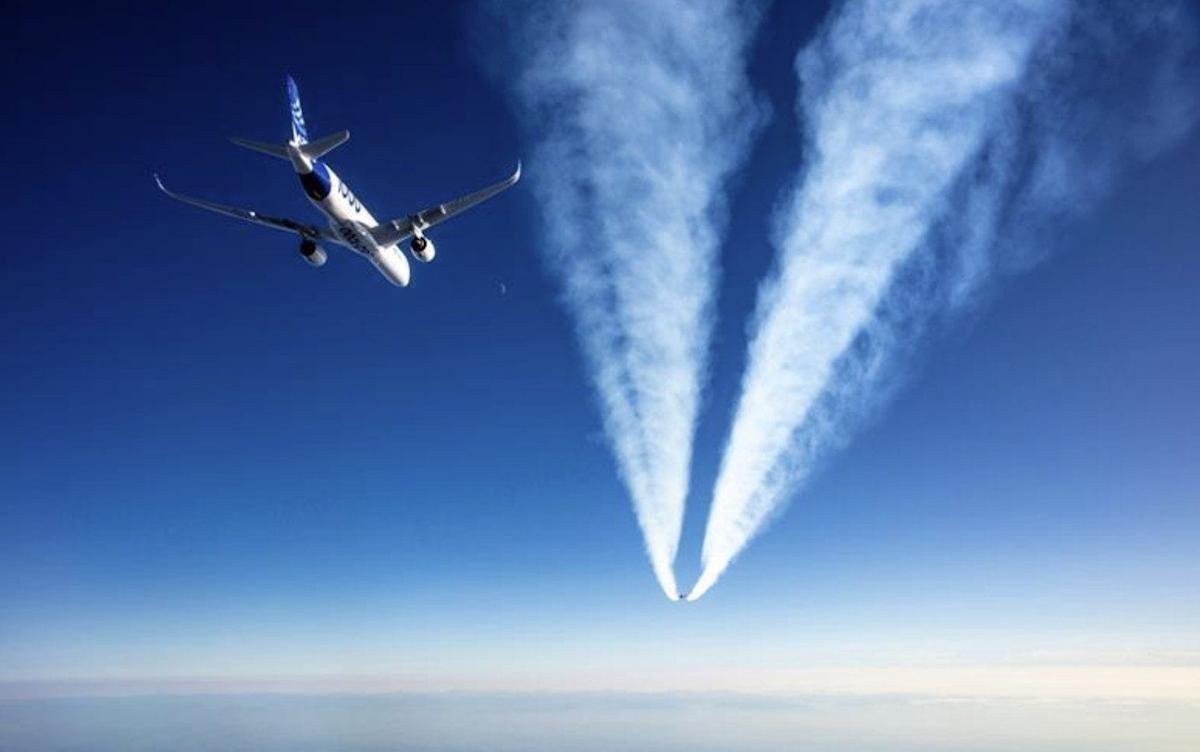
Virgin planes have adopted a unique approach to reduce fuel consumption by mimicking the behaviour of a flock of geese. This innovative technique involves flying in formation to decrease air resistance. By doing so, the planes can significantly lower their fuel costs. This approach is not new to the aviation industry.
The concept of flying in formation has been used by military aircraft for many years. However, its application in commercial aviation is still in its infancy. Virgin’s decision to adopt this technique is a step towards reducing the environmental impact of air travel. The colour of the planes’ contrails may remain the same, but their carbon footprint will decrease.
According to experts, flying in formation can reduce fuel consumption by up to 20%. This is because the lead plane creates a slipstream that helps to pull the following planes through the air. As a result, the trailing planes require less power to maintain their speed. This technique can be particularly useful on long-haul flights where fuel costs are higher.
Virgin’s decision to adopt this technique is part of its broader strategy to reduce its environmental impact. The company has set a target to become carbon neutral by 2050. To achieve this goal, it will need to analyse its operations and identify areas where it can reduce its carbon footprint. Flying in formation is just one of the many steps the company is taking to achieve its target.
The aviation industry is under increasing pressure to reduce its environmental impact. With the rising concern about climate change, airlines are being forced to rethink their operations and find ways to reduce their carbon footprint. Virgin’s decision to adopt the flying in formation technique is a step in the right direction. As the industry continues to evolve, we can expect to see more innovative approaches to reducing fuel consumption.
One of the challenges facing the aviation industry is the need to balance the demand for air travel with the need to reduce its environmental impact. As the global economy continues to grow, the demand for air travel is likely to increase. However, this increase in demand must be met with a corresponding decrease in carbon emissions. The use of sustainable aviation fuels is one potential solution, but it is still in its early stages of development.
In conclusion, Virgin’s decision to adopt the flying in formation technique is a positive step towards reducing the environmental impact of air travel. As the aviation industry continues to evolve, we can expect to see more innovative approaches to reducing fuel consumption. With the growing concern about climate change, it is essential that airlines take steps to reduce their carbon footprint and become more sustainable.