
UK Households Face Bill Increases
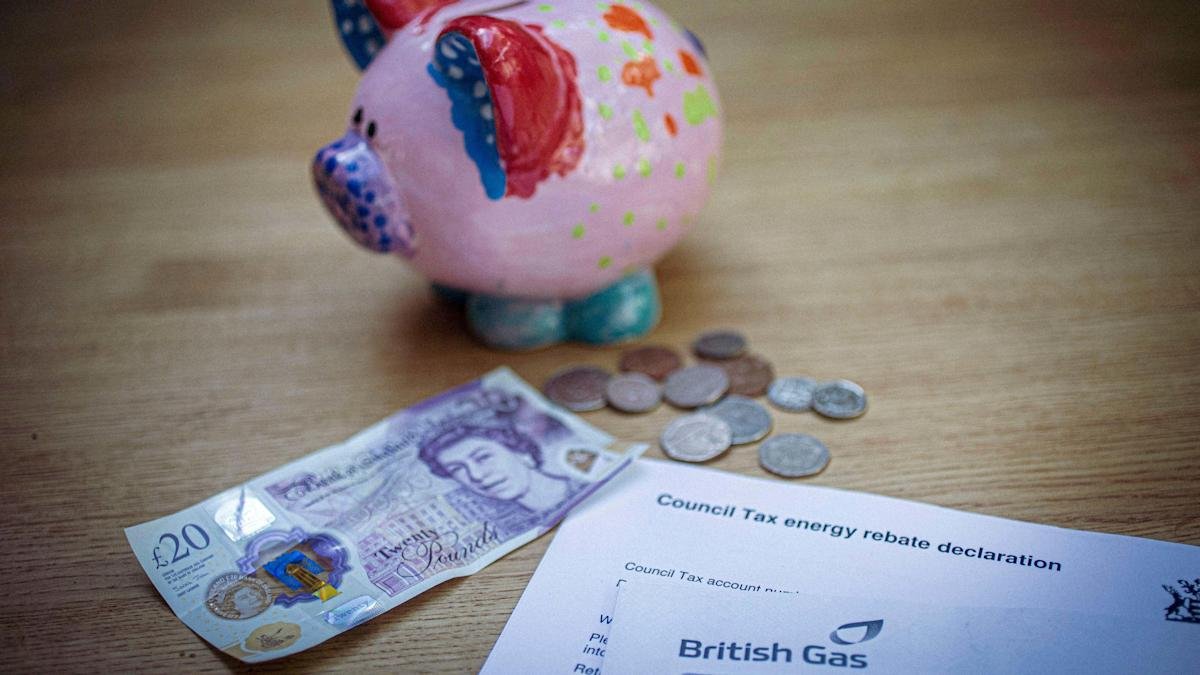
Rising Costs: UK Households Suffer Bill Increases
UK households have endured a year of significant bill increases, affecting their overall financial wellbeing. The rising costs of living have led to a decrease in disposable income, impacting consumer behaviour. As a result, many households are re-evaluating their budgets to analyse areas for cost-cutting. This shift in behaviour is likely to influence the UK economy.
The bill increases have been across-the-board, with energy, water, and council tax bills all rising. This has put additional pressure on households, making it essential to manage finances effectively. By creating a comprehensive budget and prioritising expenses, households can better navigate these challenging times. Effective budgeting will be crucial in mitigating the impact of these bill increases.
Furthermore, the colour of household finances has become increasingly bleak, with many struggling to make ends meet. The constant rise in bills has resulted in a decrease in the quality of life for many, as they are forced to make difficult choices between essential expenses. To combat this, households must be proactive in seeking ways to reduce their expenditure, such as renegotiating contracts or seeking better deals on services.
In conclusion, the current state of UK household finances is a pressing concern, with the relentless rise in bills being a significant contributing factor. It is vital for households to stay informed about personal finance and seek professional advice when needed. By doing so, they can develop strategies to cope with the increasing costs and improve their overall financial stability. This will enable them to better withstand future economic uncertainty and make informed decisions about their financial wellbeing.
The UK government has implemented measures to support households, including financial assistance programmes and subsidies for low-income families. However, more needs to be done to address the root causes of the problem, such as the rising cost of living and the impact of inflation on household budgets. Until then, households must remain vigilant and proactive in managing their finances, seeking opportunities to reduce costs and increase their income.
As the UK economy continues to evolve, it is likely that household finances will remain a topic of concern. The financial sector must work together to provide support and guidance to households, helping them to navigate the complexities of personal finance and make informed decisions about their financial futures. This collaborative approach will be essential in promoting financial stability and securing the long-term economic wellbeing of UK households.
Ultimately, the key to mitigating the impact of bill increases lies in education and awareness. By providing households with the knowledge and tools they need to manage their finances effectively, we can empower them to take control of their financial lives. This, in turn, will have a positive impact on the broader UK economy, as households are able to contribute to economic growth and development.
In addition to the financial implications, the rising cost of living has also had a significant impact on household behaviour and social dynamics. As households are forced to make difficult choices about their spending, they are also re-evaluating their priorities and values. This shift in behaviour is likely to have long-term consequences, influencing the way we live, work, and interact with one another.
The importance of financial literacy cannot be overstated, as it provides households with the knowledge and skills they need to navigate the complexities of personal finance. By promoting financial education and awareness, we can help households to make informed decisions about their financial lives, reducing the risk of financial difficulties and promoting long-term stability.
In the face of rising bills and a challenging economic landscape, UK households must remain resilient and adaptable. By working together to promote financial awareness and stability, we can build a stronger, more resilient economy, capable of withstanding the challenges of the future. This will require a collective effort, as households, government, and financial institutions work together to promote financial wellbeing and secure a brighter economic future.